
What Are the 7 Common Caulking Mistakes to Avoid & How Do You Choose the Right Caulk?

Are You Making These Common Caulking Mistakes at Home?
Thinking about fixing those small gaps and cracks around your house? Maybe it’s around the bathtub, the windows, or along the floor trim. It looks easy enough. You grab a tube of caulk, squeeze it, and suddenly there’s a sticky mess everywhere. The lines are uneven and it doesn’t look anything like you pictured. It can be frustrating, but don’t worry, you are not alone. Almost everyone who tries caulking has been there at least once.
Did you know that caulking properly can make a big difference in your home? It helps keep water out, stops cold air from coming in, and even keeps bugs from getting inside. In this article, we will go over the most common mistakes people make when caulking and how to fix them. By following these simple tips, you can get smooth, neat results that last and make your home look well cared for.
1. Skipping Surface Preparation
One of the biggest mistakes people make is not cleaning the area first. You can’t just squeeze caulk on any surface and expect it to stick. If there’s dirt, dust, grease, or old caulk, the new caulk will have trouble bonding and might peel off sooner than you think.
Start by using a scraper or a sharp knife to take off all the old caulk. Be careful not to damage the surface underneath. Once the old caulk is gone, wipe the area with a damp cloth to get rid of dust and anything left behind. Let the surface dry completely before you even think about putting on new caulk.
Some people rush this step and get upset when the caulk fails. Think about it like painting a wall. You would never paint over dirt or dust because the paint wouldn’t stick well. The same goes for caulk. Taking a few extra minutes to clean and prep the surface will keep you from having to redo the job later. A clean surface also makes the caulk look much smoother and nicer. You will see the difference when the line is even and holds strong for a long time. Surface prep is simple but important, and skipping it is a common reason caulk fails. Do not rush this step because it sets the stage for a job that actually lasts.
2. Choosing the Wrong Type of Caulk
Not all caulks are the same. Each type is made for a specific job, and using the wrong one can lead to cracks, leaks, or a finish that doesn’t hold up. It might seem like any caulk will work, but the differences matter more than most people realize. Choosing the right caulk makes the job simpler and makes sure it holds up for years instead of needing constant fixes. Some caulks are waterproof, some can be painted, and some are made to handle temperature changes or outside weather. Using the wrong one can waste your time, money, and effort.
Here’s a simple guide to help you pick:
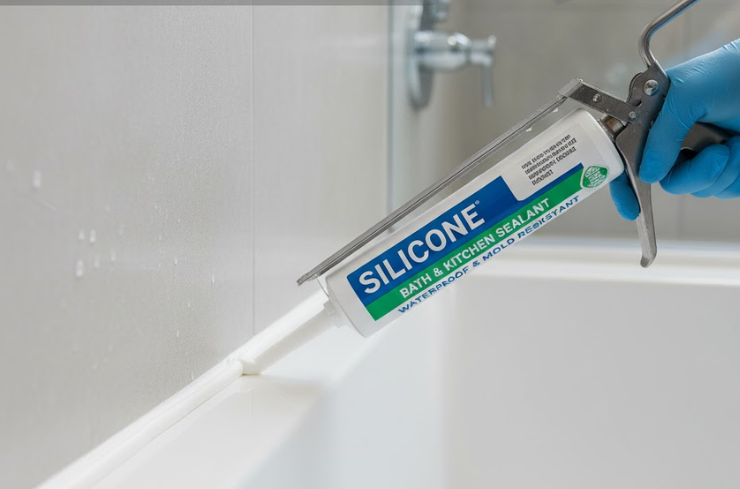
Silicone caulk
is great for bathrooms, kitchens, and other areas that get wet. It sticks well, is bendy, and resists water and mold, but you can’t paint it. This makes it perfect for sinks, tubs, showers, and wet areas.
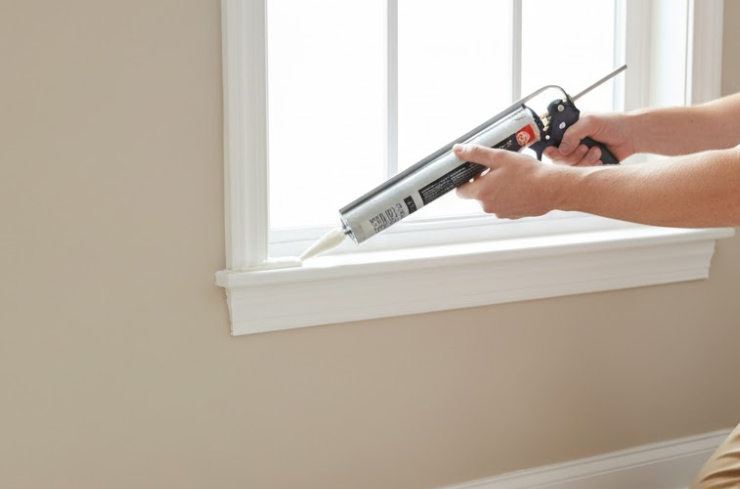
Acrylic latex caulk
is best for dry indoor areas like trim, baseboards, or window frames. It cleans up easily with water and can be painted over once it dries, which is great if you want your caulk to blend in with the walls.
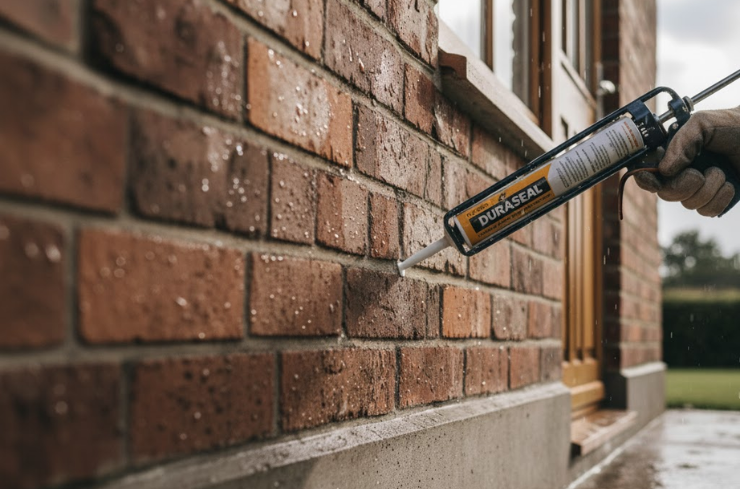
Polyurethane caulk
is strong and flexible, making it great for outside jobs like sealing concrete, brick, or stone. It can handle temperature changes, rain, and sun without cracking, so it is ideal for windows, doors, and outdoor gaps.
So before you grab any tube, take a moment to read the label and make sure it fits the job you are doing. Picking the right caulk may take a few extra seconds in the store, but it will save you a lot of trouble and make your work look much better. When the caulk is correct for the surface and location, it seals properly, lasts longer, and keeps your home protected.
3. Applying Caulk to Dirty or Damp Surfaces
Another very common mistake is putting caulk on a surface that is dirty or wet. Even if you wiped the area, sometimes it can still be a little damp without you knowing. Water is the enemy of caulk because it stops it from sticking well.
If you are sealing around a sink, tub, or window, make sure every surface is totally dry before you start. You can even use a hairdryer to make it dry faster if you need to. If water gets stuck under the caulk, it can cause mold or mildew. Over time, the caulk will start to peel away and lose its seal. Dirt or soap left behind can also make the caulk slide around and create a messy line.
Putting caulk on a clean, dry surface makes sure it sticks well and lasts a long time. Taking the extra few minutes to make sure the area is clean and dry can save you from trouble later. It also gives a smoother, more professional looking finish. Clean and dry surfaces are the key to a strong, long lasting seal. Never skip this step because it is one of the main reasons caulk fails.
4. Applying Too Much or Too Little
It is easy to get carried away and use too much caulk, but that often leads to a messy finish. On the other hand, using too little caulk will not fill the gap properly and can leave leaks or drafts. The goal is to put down a smooth, even line that completely fills the gap without spilling over.
Start by cutting the tip of your caulk tube at a small angle so you have more control. Push steadily and evenly as you move along the line to keep it consistent. If you are new to caulking, practice on a piece of cardboard first to get the feel of it. You will see how much pressure is needed and how the caulk comes out.
Too much caulk will need to be wiped away and can make a sticky mess on your hands. Too little will leave gaps that defeat the purpose of sealing the area. Using just the right amount makes your work look neat and professional. It also helps the caulk last longer without cracking. Take your time and keep a steady hand. With practice, you will be able to get a great line every time.
5. Wasting Leftover Materials
A lot of people finish a caulking project, set the half used tube aside, and come back weeks later only to find it rock hard. That’s money wasted and it can be annoying to throw it away. Luckily, saving leftover caulk properly is easy.
Stick a small nail or screw into the tip of the tube to block it. Then wrap the tip tightly with plastic wrap and seal it with tape or a rubber band. Keep it in a cool, dry place, away from the sun or heat. By taking a minute to store it correctly, you will have it ready for your next small repair without buying a new tube. This also helps reduce waste. Leftover caulk that is stored properly stays soft and usable for months. You can even reuse it for small fixes around the house. Proper storage makes it easy to finish any future jobs.
6. Not Using the Proper Tools
Many people think they can just squeeze the caulk and smooth it with their finger. While that works sometimes, it rarely gives a neat, even finish. Using the right tools makes a big difference and can make the job easier.
A good caulking gun helps control how much caulk comes out, which keeps the line consistent. A simple caulk finishing tool can smooth the line and make it look professional. These tools are cheap and easy to use, but they make a big difference in the final result. A finger can leave bumps or take away too much caulk, making the line uneven. The finishing tool helps push the caulk into the gap and smooth it in one move. Using proper tools makes your work faster, cleaner, and stronger. A neat, professional looking caulk line looks much better and lasts longer.
7. Rushing Through the Process
One of the biggest mistakes people make is rushing through caulking. When you rush, the lines become uneven, gaps show up, and the seal will not last long. Caulking needs patience and steady hands to do it right.
Work slowly and focus on one small section at a time. Push steadily on the tube to keep the line even. Use a finger or finishing tool to smooth each section before moving on. Trying to do a long stretch at once often leads to mistakes.
Another common problem is not letting the caulk dry properly. Most types of caulk need at least 24 hours to dry completely. Painting or getting it wet too soon can cause cracks or peeling. Taking your time makes sure that the job looks neat and lasts for a long time. Caulking is not a race, and the results are worth the extra minutes.
How to Choose the Right Caulk
Now that you know what not to do, let’s make sure you pick the right product from the start.
Here’s what to keep in mind:
- Location Matters: Indoor or outdoor? Wet or dry? Choose based on where you will use it.
- Flexibility: Areas that move or shift (like windows or stone joints) need a bendy caulk that can expand and shrink.
- Paintability: If you plan to paint over the caulk, pick one that’s labeled “paintable.” Silicone usually isn’t, but latex caulks often are.
- Durability: For results that last, especially outdoors, go for a better quality product. It’s worth spending a little extra to avoid redoing it later.
Caulking might seem like a small, easy job, but it really does need a little patience and care to do it right. When you take your time, pick the right type of caulk, and make sure the surface is clean and dry, the result is a smooth, neat line that stays in place for years. Doing it carefully now can stop leaks, drafts, and other problems later while making your home look tidy and well kept.
So the next time you grab a caulking gun, slow down and focus on each step instead of rushing. Smooth the line carefully and make sure it fills the gap completely. The reward is a finish that not only works well but also looks good. Taking the time to do it properly gives you confidence and makes your home feel more comfortable, protected, and cared for.
Need help with caulking or other home repairs? Just call Pyramid Pro Masonry Services. We’d be happy to make your home look its best!
0 Comments