
How Weather Really Affects Your Masonry Structure
Are the Weather Effects on Masonry Starting to Show on Your Home?
Do you have brick or stone on your home and just love how strong and traditional it looks? You know, even though masonry seems tough and reliable, the weather actually works on it slowly, year after year. It doesn’t happen all at once. It’s a little bit every day. Most of the time, you won’t even notice anything is changing. Heat, cold, rain, sunshine, and even the wetness in the air all play a small part daily. Over time, these tiny changes start to show. You might spot a small crack, a chip, or a bit of crumbling and think it happened overnight. But the truth is that the weather has been changing that brick or stone for a long, long time.
On this blog, we’re going to talk about how the climate messes with masonry in a way that’s easy to get. Think of it like a simple chat with a friend who explains things clearly. We’ll look at why these changes happen, what signs you should keep an eye out for, and how you can protect your home before small problems become big headaches. I want to help you feel good about your masonry so you know what’s normal, what needs fixing, and how to keep it looking great for many years.
What Is a Masonry
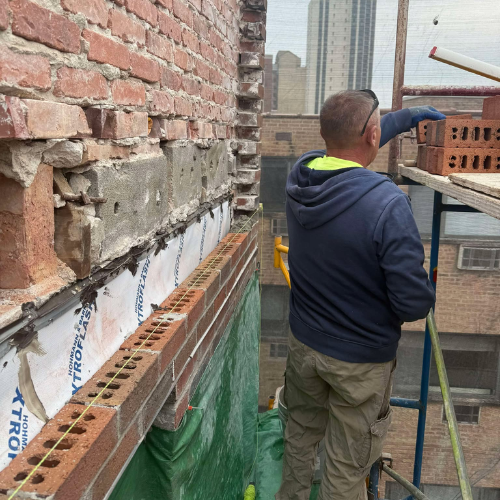
Before we get into the weather, it’s good to quickly remember what masonry actually is. Masonry is the building style that uses materials like brick, stone, concrete blocks, and the mortar that sticks them together. These pieces create walls, chimneys, patios, walkways, and lots of other parts of a house.
People like masonry because it lasts a long time, looks nice, and gives a home a classic feel. Mortar holds everything tight and keeps the pieces connected. Even though these materials are strong, they still react to the weather just like anything else.
Now that we know what makes up masonry, the rest of this will be much easier to understand.
Heat and Sunlight
Sunny days are great for us, but your masonry feels the heat differently. When bricks or stones get hot, they slowly get bigger, and when the temperature drops at night, they squeeze back again. This cycle of growing and shrinking happens day after day, and while you barely notice it at first, over time it can cause tiny cracks in the brick or the mortar. The sun also dries out the mortar, making it weaker, and it can slowly take the color out of the brick, making it look older than it is. Even though the changes are small, the constant movement eventually adds up, just like bending a paperclip over and over until it finally breaks.
Cold Temperatures
Cold weather can be a real problem for masonry too. Water can find its way into small cracks or the little holes in brick and stone, and when it gets cold enough to freeze, that water turns to ice and expands. This ice pushes against the brick or mortar. When it melts, it shrinks back, only to freeze again the next cold night. This constant freezing and melting slowly makes the structure weaker, and eventually, you might see small cracks, flaking, or even bits breaking off. It’s a slow process that builds up over years, kind of like filling a glass bottle with water and freezing it until it finally cracks.
Moisture and Rain
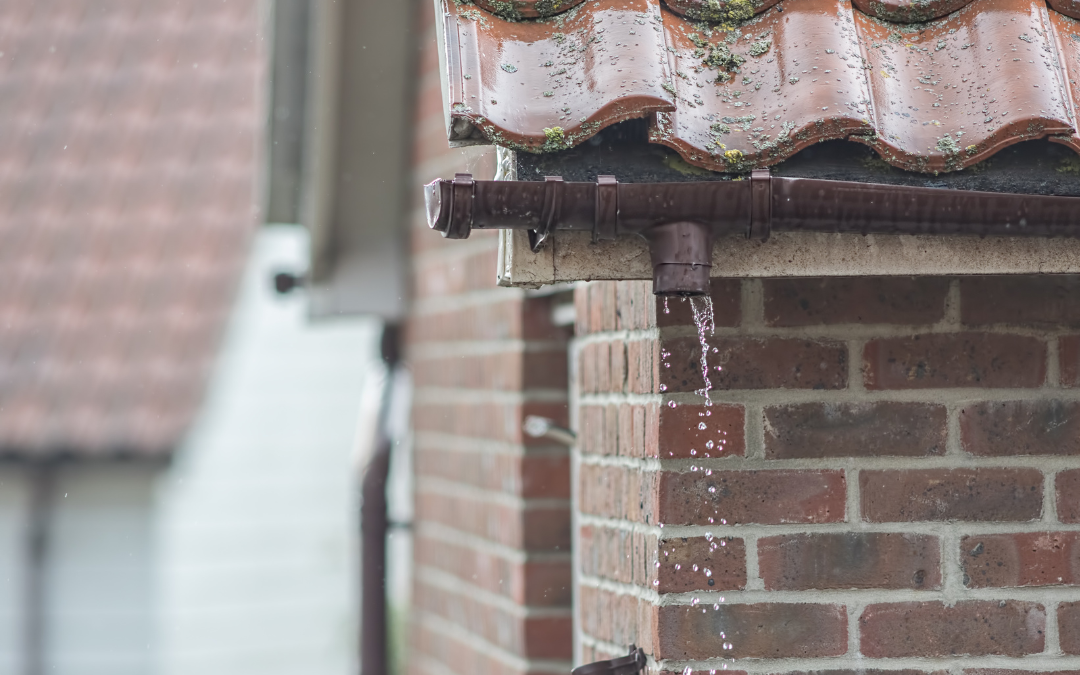
Water is slow but very determined. Rainwater sneaks into small openings, tiny cracks, or the porous parts of the brick. You don’t notice it right away because masonry is good at hiding wetness. By the time you see something on the outside, the inside might already be stressed.
Moisture can:
- Make mortar weak
- Cause white salt stains
- Help moss or mildew grow
- Break apart the inner structure over time
Think of moisture as that unwanted guest who slips into your house, stays too long, and leaves a big mess when they finally go.
Humidity and Damp Air
Even when it’s not raining, wet air can affect your masonry. Bricks and stones have tiny pores, meaning they can soak up moisture from the air. When they stay damp for a long time, it becomes the perfect spot for moss, mildew, and dirt to stick to the surface. The mortar also gets weak when it’s constantly wet, making it easier for small cracks to appear. This effect isn’t as dramatic as freezing water, but it quietly changes the look and strength of your masonry over time. That’s why keeping things clean and having good airflow is important.
Wind and Debris
Wind by itself probably won’t wreck your masonry, but what it carries can. Dust, dirt, tiny bits of stuff, and even rain can hit the surface of bricks and stones again and again over time. This constant hitting slowly wears away the outer layer, and in places with strong winds all the time, the effects are much clearer. It’s a slow process that you might not notice at first, but after years, it can make surfaces look rougher and less smooth while also making the mortar a little weaker in spots that get hit a lot.
Seasonal Changes
Masonry goes through every kind of weather throughout the year. Hot summers, cold winters, wet months, dry months, and humid days all put the material through constant cycles. Bricks and stones get bigger and smaller, soak up water, freeze, melt, and dry out over and over. This daily and seasonal cycle slowly changes the structure, even if it’s hard to spot at first. You might go years without a problem, and then suddenly a crack or chip shows up. The truth is that the weather has been working on the masonry for a long time, and what you see is the result of many years of tiny changes.
How You Can Protect Your Masonry
The great news is that most of this damage can be slowed down or stopped with a little care. Masonry is strong. It just needs a helping hand.
Here are a few easy things you can do:
- Seal your masonry to block water
- Fix small cracks before they get bigger
- Clean the surface so dirt and wetness don’t pile up
- Keep water draining away from the bottom of the structure
- Have a professional look at your masonry every now and then
These small steps make a huge difference over time.
Weather is always working on your masonry, even if it’s slow and quiet. The more you understand how heat, cold, rain, and wind affect brick and stone, the simpler it is to take care of them and stop problems before they get bad. Masonry can last for many years and even generations when it’s looked after with a little regular attention. Watching for small cracks, fixing minor issues early, keeping surfaces clean, and protecting mortar from water are simple things that go a long way in keeping your walls, chimneys, and patios strong and looking good. With some care and awareness, your masonry can stay solid, safe, and beautiful for decades, and if you ever need help or a professional check, you don’t have to do it alone because support is always there.
Want your masonry to look great and last for ages? Pyramid Pro Masonry Services can help! We do inspections, fix things up, and take care of maintenance so you can stop stressing about it. Give us a call today and let our crew handle your brick and stone with care and know-how.
0 Comments